Custom software development
Software built around the way your business actually works, instead of changing your work to fit someone else’s product.
Overview
Off-the-shelf tools are a good place to start. But many businesses end up with five subscriptions, three spreadsheets and one person whose job is copying information between them.
Custom software makes sense when the way you work is part of what makes you good, and generic tools keep getting in the way of it. We build it around your process, your people and the problem you need solved.
This might be you if…
- Important information lives in spreadsheets that only one person really understands.
- You pay for several tools and still move data between them by hand.
- Part of your process isn’t handled properly by any product you’ve tried.
- You’ve outgrown a system built years ago, and changing it feels risky.
- Customers or partners ask for information you currently send by email.
Typical projects
Internal tools
Admin panels, dashboards and back-office systems your team uses every day.
Customer and partner portals
A secure place where people can check orders, documents or progress without emailing you.
Workflow systems
Software that follows your process step by step and tells the right person when it’s their turn.
Integrations
Connections between the tools you already use, so information moves without being retyped.
Fixing, extending or modernising a system your business already depends on.
Already have software that isn’t working?
Not every project starts from nothing. Sometimes the product works but is slow, fragile or hard to change. Sometimes the original developer has moved on and nobody wants to touch the code.
We start by reading the code and learning how people actually use the system. Then we tell you plainly what should be fixed first, what can stay as it is, and whether a rewrite is really needed. Often it isn’t. Careful, steady improvements are usually cheaper and less risky than starting again.
Start a projectOur approach
- 01
Map how the work happens today
We look at the real process, including the workarounds, before deciding what the software should do.
- 02
Agree the smallest useful version
We define what has to exist for the software to be worth using, and what can wait.
- 03
Build in small, visible steps
You see working software early, so problems show up while they’re still cheap to fix.
- 04
Hand over properly
You get the code, the access and the documentation needed to run and change it.
Worth knowing
When this isn’t the right choice
We’d rather tell you now than build something you don’t need.
- An existing product already does most of what you need. Paying for it is usually cheaper than building it.
- The process itself still changes every week. It’s worth settling it, even roughly, before building around it.
- The main goal is to look modern. Software should remove a real cost, delay or risk.
From our work
Talk2UsNow
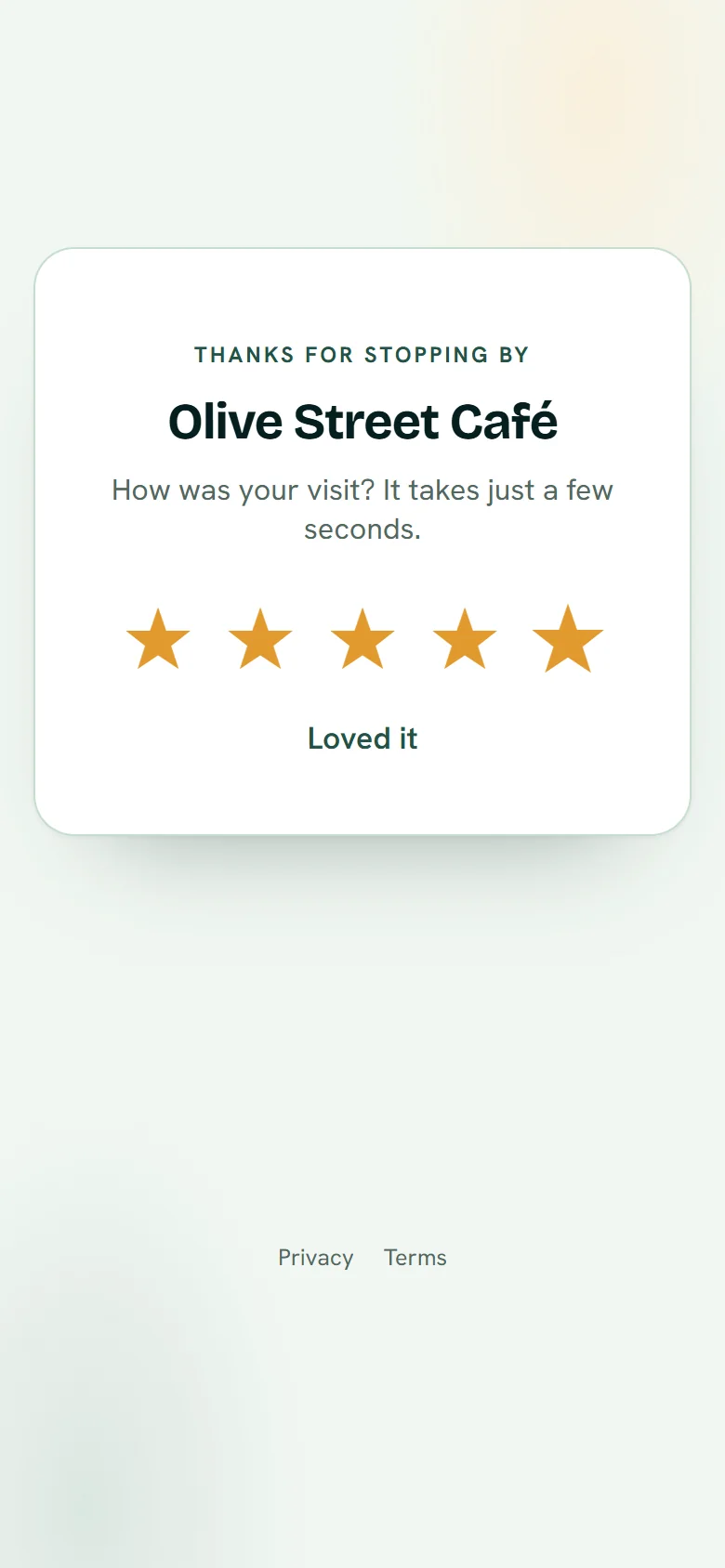
Talk2UsNow is a multi-business review platform with a customer flow, an owner dashboard and a platform admin area.
Read the case studyCommon questions
How much does custom software cost?
It depends on what needs to be built, and we won’t guess before we understand the problem. After a first conversation we can usually suggest a sensible first version and give you an estimate for it.
Do I need a technical specification before contacting you?
No. Tell us what you’re trying to do, what’s slowing you down or what isn’t working. Working out the specification is part of our job.
Can you work on software someone else built?
Yes. We review the existing code and setup first and give you an honest view of its condition before suggesting changes.
Which technologies do you use?
It depends on the problem. We often work with Python, FastAPI and PostgreSQL, but we’ll suggest what fits your situation and your team rather than what’s fashionable.
Tell us what you’re trying to build.
Start with a few lines. We’ll reply by email.